
Reflections from Historians
Why Study History
Any subject of study needs justification. Read this classic essay from Peter N. Stearns about why we continue to look to the past to understand the world around us.

January 1, 2026
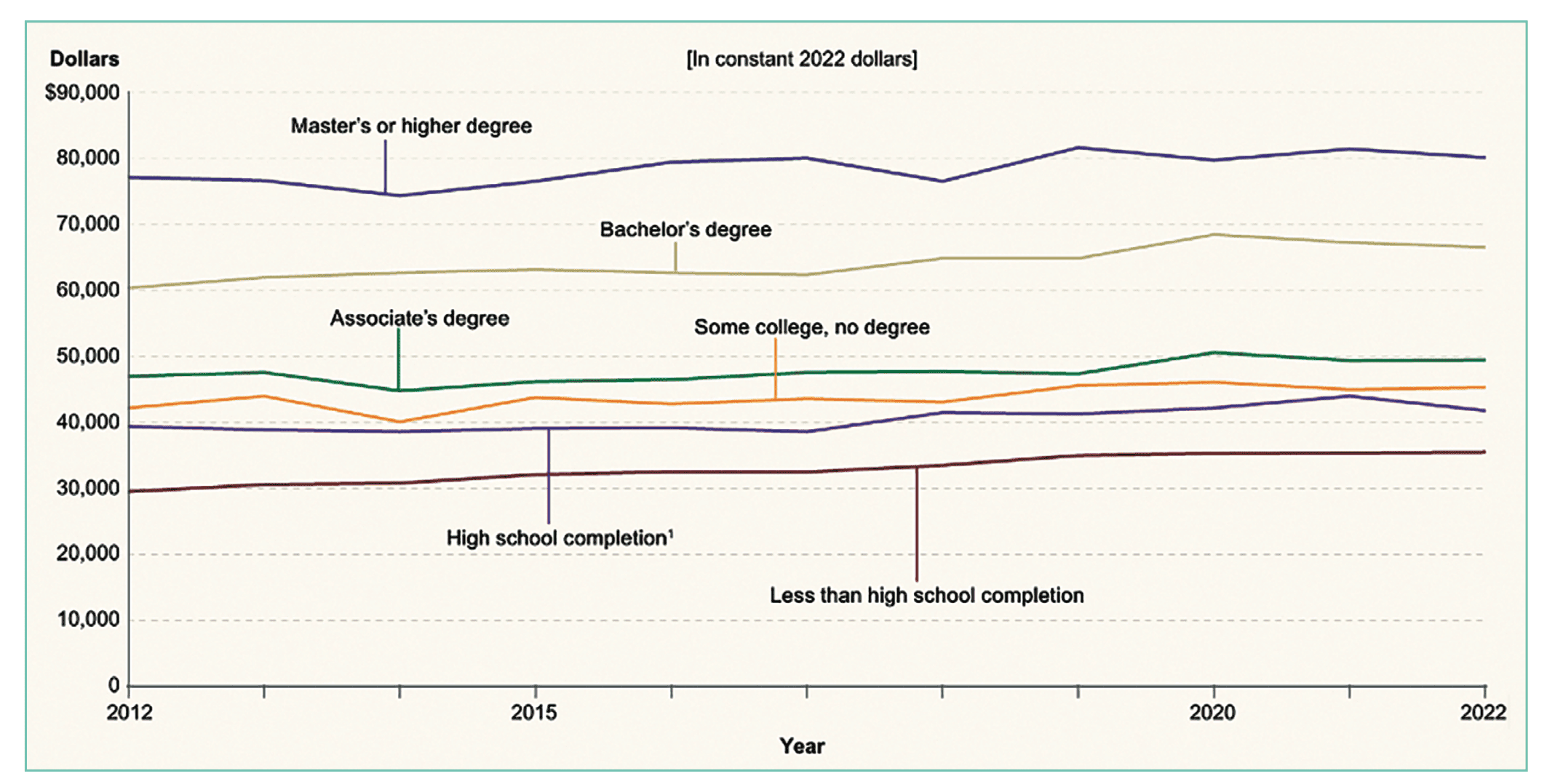
What Can You Do with That History Degree? Exploring the Data


January 1, 1996
Why Become a Historian? Natalie Zemon Davis
History "offers the only extensive evidential base for the contemplation and analysis of how societies function, and people need to have some sense of how societies function simply to run their own lives."
Peter N. Stearns
George Mason Univ.
"Why study history? To know what it is to live; to know how others have thought and lived; to know why society and the world are the way they are; to help us forge our own lives—and by so doing, to make history itself."
Gordon H. Chang
Stanford Univ.
"History is helpful in understanding our world. It is also helpful in explaining to nonhistorians why our world is the way it is. Good historians tell a good story. They paint with words a world that no longer exists, but which was similar enough to our world to allow a reader of any age to relate to it."
Robert Gutierrez
Miami Sunset Senior High School
The Value of a History Degree
Careers for History Majors
With clear data and informal prose, Careers for History Majors equips readers with data, practical advice, specific strategies, and answers to common questions about the study of history and its value for individuals, their workplaces, and their communities. The booklet’s contributors include alumni working in a wide range of fields and occupations as well as professional historians. Together, they show how today’s college students can prepare themselves to use historical thinking to tackle tomorrow’s problems.
Data on the Historical Discipline
The AHA collects and shares data on topics ranging from employment, to public engagement with history, to the use of educational resources in the classroom, and more.

In Their Own Words
What is the value of a history degree? Read testimonials from history majors.

Share Your Story
Have you studied history? If so, let us know how the skills and knowledge you developed shape other aspects of your life.
Everything Has a History
The American Historical Association advocates for the crucial role of historical thinking in public life. Our work highlights the insights that come when we recognize that everything has a history.
Supporting Students

Core Learning Outcomes in History
The AHA’s Tuning Project asked historians to clarify and demystify the core goals and the key skills pursued in our discipline. Working collaboratively across more than 150 two- and four-year colleges and universities, history faculty convened to answer a basic question: when students complete a program in history, what should they know, understand, and be able to do?
What Does It Mean to Think Historically?
This 2007 Perspectives on History article by Thomas Andrews and Flannery Burke introduced the “five C's of historical thinking”: the concepts of change over time, causality, context, complexity, and contingency.
Current Events in Historical Context
History, the Past, and Public Culture: Results from a National Survey
This project aspired to take America’s historical pulse by assessing public perceptions of, and engagement with, the discipline of history and the past. The AHA partnered with Fairleigh Dickinson University to develop and implement a national survey that explored the public’s definition of the term “history,” where audiences access history.

Congressional Briefings
The AHA’s Congressional Briefings series provides congressional staff members, journalists, and other members of the policy community with the historical context essential to understanding contemporary issues. The sessions are strictly nonpartisan and avoid advancing particular policy prescriptions or legislative agendas.

History Behind the Headlines
History Behind the Headlines is a webinar series featuring prominent historians discussing the history behind current events. Webinars in this series are generously sponsored by AHA member Jared Brubaker.